Happy
Work Spaces
Featured Inspiration
The Workplace We're Designing for Now
The office isn't disappearing. It's becoming more intentional.
The way we work has changed, and the workplace is changing with it.
For years, office design was largely driven by capacity. How many desks could fit? How many meeting rooms were needed? Where would the storage go?
Today, the questions are different.
Why will people want to come here? How should this space make them feel? What do our teams need to do their best work?
The modern workplace is no longer simply somewhere a business accommodates its employees. It's becoming a destination, somewhere designed deliberately around people, culture, collaboration and experience.
At Happy Work Spaces, we believe the most successful workplaces of the future won't necessarily be the biggest.
They'll be the ones that work hardest for the people using them.

From Office to Destination


Colour is Becoming More Considered
Colour can completely change the atmosphere of a workplace.
Rather than simply choosing colours that match a company's logo, businesses are beginning to think more carefully about how different environments should feel.
Soft blues can create calmer focus spaces.
Greens and natural tones can introduce a sense of balance and connection to nature.
Warmer reds, terracottas and oranges can bring energy to social or collaborative environments.
Neutral palettes can create sophisticated foundations that allow furniture, artwork and materials to provide personality.
The important thing isn't choosing a fashionable colour.
It's understanding why that colour is being used and what experience you're trying to create.
Explore our Colour in the Workplace Series.
Natural Materials Are Bringing Warmth Back to Work
Timber. Wool. Textured fabrics. Stone. Planting.
Materials traditionally associated with residential and hospitality interiors are becoming increasingly important within workplace design. They introduce warmth and texture into environments that could otherwise feel overly corporate.
Biophilic design takes the further by strengthening the connection between people and nature through planting, natural materials, daylight and organic forms.
The objective isn't simply to add plants around an office.
It's to create environments that feel calmer, softer and more human.


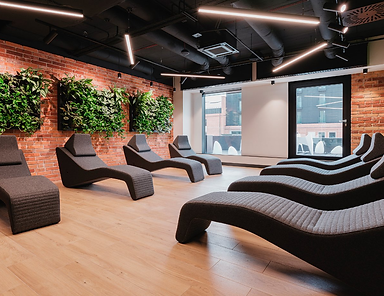
Furniture is Becoming More Flexible
The traditional desk-and-chair combination isn't disappearing.
But it's no longer the only place where work happens.
Today's workplace furniture needs to support multiple ways of working.
Modular sofas can create informal collaboration areas.
High tables can support quick conversations and touchdown working.
Acoustic booths can provide privacy without constructing permanent rooms.
Mobile furniture can allow spaces to change depending on what teams need that day.
And beautifully designed task furniture still provides the ergonomic support required for desk-based work.
The key word is choice.
Giving people a variety of settings allows them to choose the environment that best supports the task they're completing.
Acoustics are Becoming Essential
As workplaces become more open and collaborative, acoustic design becomes increasingly important.
Nobody wants to sit in a beautiful office where they can't concentrate.
Acoustic screens, upholstered furniture, ceiling treatments, wall panels, booths and thoughtful space planning can all help control noise.
But the best acoustic solutions don't need to feel purely functional.
They can become part of the design itself, including texture, colour and architectural interest while improving the experience of the space.
Smaller Can Still Mean Better
The future workplace isn't necessarily about having more space.
It's about using space better.
A smaller workplace with carefully considered zones, flexible furniture and intelligent space planning can provide a significantly better employee experience than a much larger traditional office.
Unused banks of desks can become collaborative spaces.
Oversized meeting rooms can become several smaller settings.
Underused corners can become touchdown areas.
Circulation spaces can become informal meeting points.
The question becomes:
How much value are you getting from every square metre?

The Workplace Should Tell Your Story
Your office is one of the largest physical expressions of your brand.
Clients experience it.
Employees experience it.
Potential recruits experience it.
And that means workplace design shouldn't simply follow trends.
It should feel unmistakably connected to the organisation occupying it.
A technology company may want an energetic environment built around innovation and collaboration.
A professional services firm may require something quieter and more refined.
A creative business might want colour, personality, and flexibility.
The best workplace doesn't look like somebody else's office.
It feels like your business.
What We're Loving Right Now
Warm Minimalism
Soft neutrals, natural timber, tactile fabrics and understated furniture creating calm, sophisticated workplaces.
Workplace Cafes
Social spaces designed to encourage spontaneous conversation, informal meetings and connection throughout the working day.
Statement Lighting
Decorative lighting bringing warmth and personality into meeting rooms, reception spaces and collaboration areas.
Acoustic Architecture
Booths, screens and acoustic elements becoming intentional features of the interior rather than additions made afterwards.
Residential Comfort
Sofas, lounge chairs, rugs, occasional tables and softer materials creating workplaces that feel welcoming without becoming overly casual.
Flexible Collaboration
Furniture that can move, adapt and reconfigure as teams and projects change.

The Happy Work Spaces View
We believe the workplace of the future should be beautiful, functional and human.
It should provide spaces for concentration and spaces for conversation.
It should support technology without being dominated by it.
It should reflect your brand without feeling like a showroom.
And above all, it should give people a reason to enjoy being there.
That's why we don't believe great workplace design starts with choosing furniture.
It starts with understanding your people, your business and how you want your workplace to feel.
From there, we can create an environment that works around you.